Beyond Basic Barriers Modern Seawall Construction That Performs
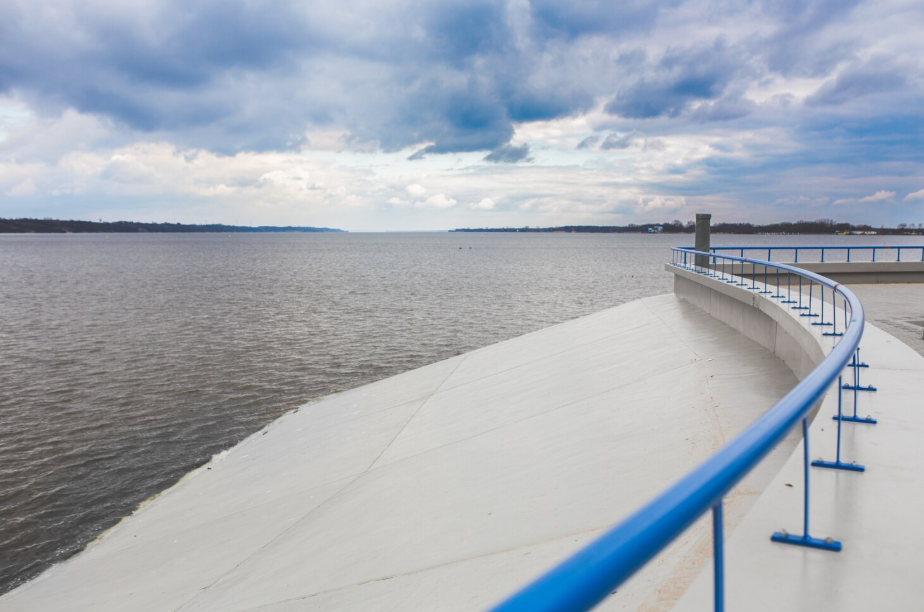
Seawall construction has come a long way from the days of simple vertical barriers placed along the shoreline. While those traditional methods offered a basic level of defense, they often struggled to handle long term environmental stress. Constant wave action, shifting soil, and rising water levels exposed the limitations of older construction approaches.
Modern seawall construction focuses on performance, not just presence. It is no longer enough for a seawall to simply stand in place. It must actively respond to coastal forces, reduce stress on its structure, and remain effective under changing conditions. This shift has led to smarter, more reliable solutions that provide lasting protection.
What Makes Modern Seawalls More Effective
Today’s seawalls are designed with a deeper understanding of coastal dynamics. Engineers and construction teams work together to create structures that manage water movement instead of resisting it entirely. This approach improves durability and reduces the risk of long term damage.
- Designs that absorb and redirect wave energy
- Structures built to reduce direct impact pressure
- Flexible elements that adjust to environmental changes
- Improved alignment based on shoreline behavior
- Integration with natural coastal features
These features help seawalls perform more efficiently, allowing them to handle continuous exposure without weakening over time.
Smarter Engineering for Long Term Stability
Engineering plays a key role in how well a seawall performs. Modern techniques focus on distributing stress evenly across the structure, preventing concentrated pressure that can lead to cracks or failure.
Instead of relying on mass alone, engineers now use strategic design elements to improve strength. This includes shaping the wall to reduce wave force, reinforcing critical areas, and ensuring that the foundation remains stable under all conditions. These improvements allow the seawall to maintain its integrity even during extreme weather events.
Materials That Go Beyond Basic Strength
The materials used in modern seawall construction are selected for both durability and performance. Coastal environments are harsh, and materials must withstand constant exposure to saltwater, moisture, and temperature changes without degrading.
- Advanced concrete mixes designed for marine conditions
- Reinforced steel protected against corrosion
- Composite materials that add flexibility and strength
- Protective coatings that extend lifespan
- Components designed to resist cracking and surface wear
These material choices ensure that the seawall remains strong and reliable for many years, even in demanding conditions.
Construction Methods That Improve Performance
Building a high performing seawall requires precision and expertise. Modern construction methods focus on accuracy, efficiency, and adaptability to site conditions. Each step of the process is carefully planned to ensure the structure meets performance expectations.
From preparing a stable foundation to installing reinforcements and completing the surface, every stage is handled with attention to detail. Construction teams also consider environmental factors such as water levels, soil movement, and weather conditions. This ensures that the seawall is built to perform under real world conditions, not just on paper.
Designing for Changing Coastal Environments
Coastal areas are constantly evolving. Rising sea levels, increased storm activity, and changing wave patterns mean that seawalls must be designed with the future in mind. Modern construction approaches take these factors into account from the beginning.
Seawalls are now built with adaptability as a key feature. This may include allowing for future height adjustments, reinforcing areas that are likely to face increased pressure, or using designs that remain effective under a wider range of conditions. Planning for change ensures that the seawall continues to perform even as the environment evolves.
Conclusion
Modern seawall construction goes beyond basic barriers by focusing on performance, durability, and adaptability. Through smarter design, advanced materials, and precise construction methods, today’s seawalls are built to handle continuous coastal pressure. By embracing these improvements, seawalls can provide reliable protection while meeting the demands of an ever changing shoreline.