Shoreline at Risk How Strong Seawalls Prevent Erosion Damage
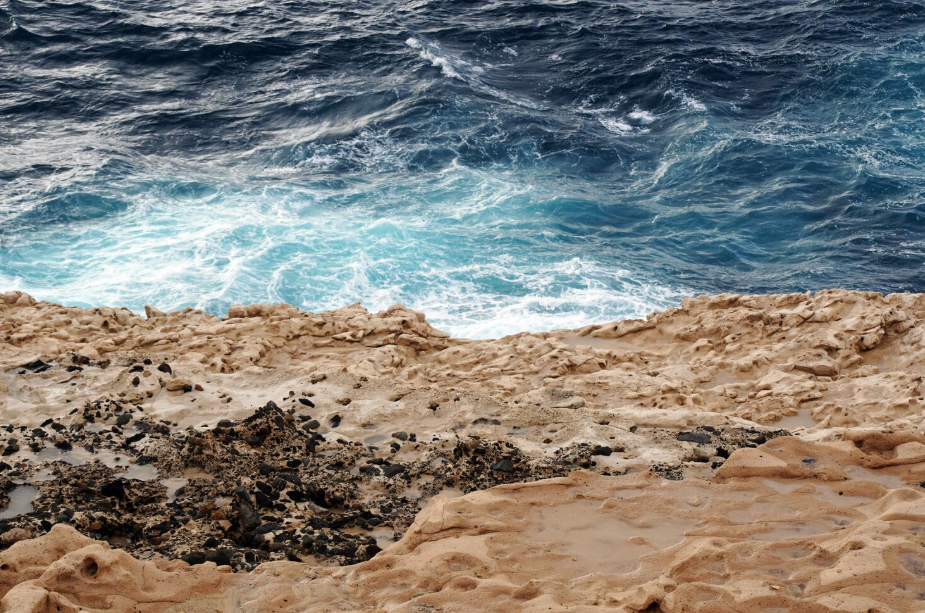
Coastal shorelines are under constant pressure from natural forces that reshape land over time, and moving beyond basic barriers, modern seawall construction that performs is becoming essential for long-term protection. Waves, tides, and seasonal storms gradually wear away soil and sand, leading to erosion that can threaten nearby properties and infrastructure. In many cases, the damage is not immediately visible, but it progresses steadily until the impact becomes serious.
Without proper protection, erosion can result in land loss, weakened foundations, and increased vulnerability during extreme weather events. This is why strong and reliable seawalls are essential for maintaining the stability of coastal areas and preventing long term damage.
How Erosion Impacts Coastal Properties
Erosion affects more than just the shoreline. As land begins to recede, the structures built on or near the coast also face increasing risk. Foundations may become unstable, and protective barriers may lose their effectiveness.
- Gradual loss of soil supporting buildings and infrastructure
- Increased exposure to wave impact during high tides
- Formation of uneven ground and surface instability
- Greater risk of flooding during storms
- Damage to nearby roads, walkways, and utilities
These impacts highlight the importance of early protection measures. Without intervention, erosion can lead to costly repairs and long term structural challenges.
The Role of Strong Seawalls in Erosion Control
Seawalls act as a protective barrier between land and water, reducing the direct impact of waves on the shoreline. A well constructed seawall does more than block water. It helps control the movement of energy, preventing it from eroding the soil behind the structure.
Modern seawalls are designed to absorb and redirect wave force, minimizing stress on both the wall and the surrounding land. This approach ensures that erosion is controlled effectively while maintaining the stability of the coastline. By reducing the force that reaches the shore, seawalls play a critical role in preserving land and protecting property, especially when integrated with living shorelines, which use natural elements to enhance resilience and support long-term coastal balance.
Key Features That Improve Seawall Strength
Not all seawalls provide the same level of protection. The strength and performance of a seawall depend on how well it is designed and built. Certain features significantly improve its ability to prevent erosion damage.
- Deep and stable foundations that resist shifting
- Reinforced structures that handle continuous wave pressure
- Angled or curved surfaces that deflect wave energy
- Proper drainage systems to reduce pressure behind the wall
- Durable materials that withstand marine conditions
These features work together to create a seawall that remains effective over time, even under challenging environmental conditions.
Preventing Long Term Damage Through Proper Installation
The effectiveness of a seawall depends heavily on how it is installed. Even a strong design can fail if construction is not carried out correctly. Proper installation ensures that the seawall performs as intended from the beginning.
Construction involves preparing a stable base, aligning the structure accurately, and securing all components to withstand external forces. Attention to detail during installation helps prevent future issues such as uneven settling or structural gaps.
A well installed seawall not only protects the shoreline but also reduces the need for frequent repairs, making it a reliable long term solution.
Maintaining Protection Over Time
While seawalls are built for durability, they still require regular monitoring to maintain their performance. Coastal conditions can change, and small issues may develop over time due to continuous exposure.
Routine inspections help identify early signs of wear such as minor cracks or drainage issues. Addressing these concerns quickly ensures that the seawall continues to function effectively. Ongoing maintenance also helps extend the life of the structure and prevents erosion from returning.
Conclusion
Erosion is a persistent challenge that can cause serious damage if left unaddressed. Strong seawalls provide an effective solution by protecting the shoreline and reducing the impact of waves on coastal land. Through proper design, construction, and maintenance, seawalls help preserve stability and prevent long term damage. Investing in a high quality seawall ensures reliable protection and supports the safety of coastal properties for years to come.