Not Just a Wall Engineering Seawalls That Protect Property
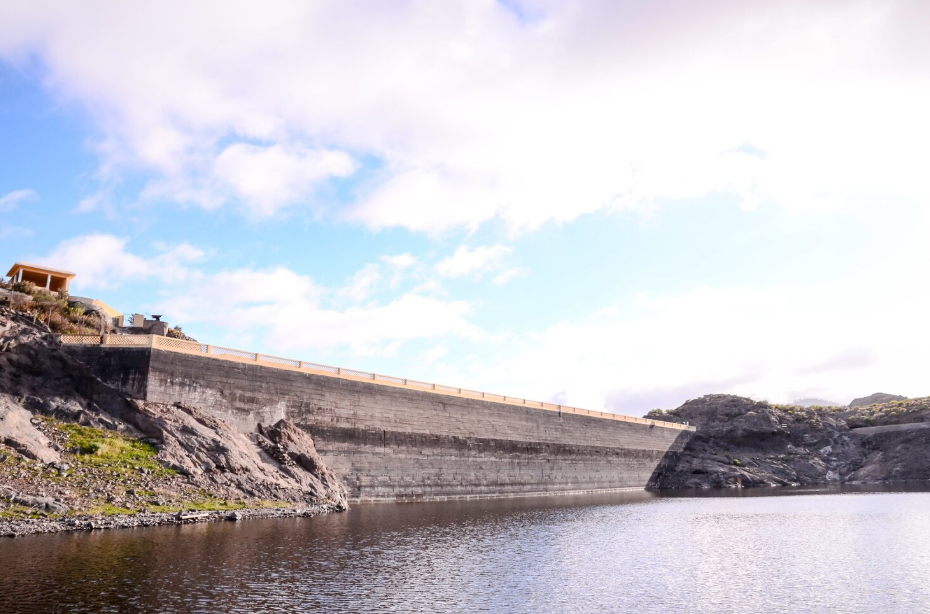
Seawalls are often seen as simple protective structures placed between land and water. At a glance, they appear to function as solid barriers that block waves from reaching the shoreline. However, modern seawall engineering goes far beyond this basic idea. A well designed seawall is not just a wall. It is a carefully planned system that protects property, stabilizes land, and manages the powerful forces of the marine environment.
Coastal properties face constant exposure to wave action, tidal movement, and changing weather patterns, and this is where the shift from stable to failing how seawalls deteriorate gradually becomes a critical concern. Without proper protection, these forces can gradually weaken the ground, damage structures, and increase the risk of flooding. Engineering a seawall that truly protects property requires a deeper understanding of how water interacts with land and built structures.
Understanding the Risks to Coastal Property
Properties located near the shoreline are exposed to unique challenges that inland structures do not face. These risks develop over time and can lead to serious damage if not addressed properly.
- Continuous erosion that reduces land stability
- Direct wave impact that weakens foundations
- Water intrusion that affects surrounding structures
- Flooding during storms and high tide conditions
- Soil movement that causes uneven settling
These factors highlight why a basic barrier is not enough. A seawall must be engineered to address each of these risks in a coordinated and effective way.
Engineering That Focuses on Performance
Modern seawall engineering is based on performance rather than appearance. The goal is to create a structure that not only stands strong but also functions efficiently under constant pressure.
Engineers analyze wave patterns, soil conditions, and long term environmental changes before designing the structure. This allows them to develop solutions that reduce stress on the seawall while improving its ability to protect the surrounding area. Instead of absorbing the full force of waves, the structure is designed to manage and redirect energy in a controlled way.
This approach improves durability and ensures that the seawall continues to perform effectively over time.
Key Design Features That Protect Property
The effectiveness of a seawall depends on specific design elements that enhance its ability to handle coastal forces. These features work together to provide reliable protection for nearby property.
- Deep and stable foundations that prevent shifting
- Reinforced structural components for added strength
- Angled or curved surfaces to deflect wave energy
- Drainage systems that relieve pressure behind the wall
- Height and alignment designed for changing water levels
These features ensure that the seawall does more than stand in place. It actively protects the land and structures behind it.
The Role of Materials in Long Term Protection
Material selection plays a critical role in how well a seawall performs over time. Coastal environments are harsh, and materials must be able to withstand constant exposure to saltwater, moisture, and temperature changes.
- High strength concrete designed for marine conditions
- Corrosion resistant steel reinforcements
- Protective coatings that extend durability
- Durable components that resist cracking and wear
- Materials chosen for long term reliability rather than short term cost
Using the right materials ensures that the seawall remains strong and continues to protect property for many years.
Precision Construction for Reliable Results
Even the best design will not perform as expected without proper construction. Building a seawall requires accuracy, experience, and the ability to handle challenging coastal conditions.
Every stage of construction must be carried out with attention to detail. This includes preparing a stable base, aligning structural elements correctly, and ensuring that reinforcements are placed properly. Environmental factors such as water levels and soil conditions must also be carefully managed during construction.
This level of precision ensures that the seawall performs as intended and provides consistent protection.
Long Term Protection Through Maintenance and Monitoring
Once a seawall is in place, ongoing care is essential to maintain its effectiveness. Coastal conditions can change over time, and small issues may develop that require attention.
Regular inspections help identify early signs of wear, such as minor cracks or drainage problems. Addressing these issues quickly prevents them from developing into larger concerns. Maintaining the seawall ensures that it continues to protect property without interruption.
Conclusion
A seawall is not just a physical barrier. It is an engineered system designed to protect property from the ongoing challenges of the coastal environment. Through careful design, strong materials, and precise construction, seawalls provide reliable defense against erosion, wave impact, and flooding. With proper planning and maintenance, they remain a critical solution for preserving coastal property and ensuring long term stability.