From Stable to Failing How Seawalls Deteriorate Gradually
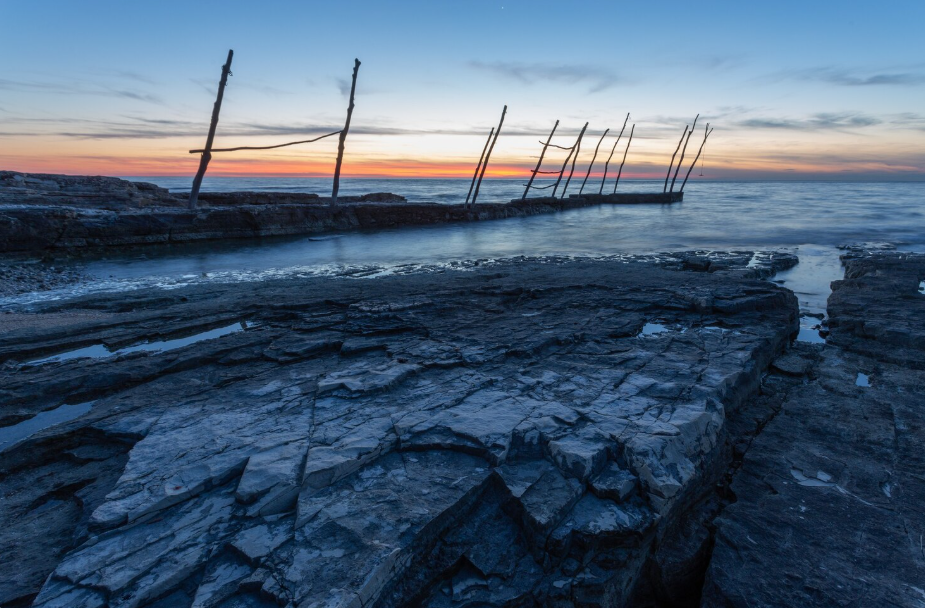
Seawalls are built to provide long term protection against waves, tides, and coastal erosion. In the early years, they perform exactly as expected, holding back water and maintaining shoreline stability. Their solid appearance often gives the impression that they will continue to function the same way indefinitely. However, like any structure exposed to constant environmental stress, seawalls gradually begin to weaken over time.
This process is rarely sudden, and as seen in shoreline at risk situations where strong seawalls prevent erosion damage, it often develops slowly without obvious warning in the beginning. What starts as minor wear can eventually lead to serious structural issues if not addressed. Understanding how this transition happens is essential for maintaining performance and preventing failure.
The First Stage Early Surface Changes
The first signs of deterioration usually appear on the surface. These changes may seem minor and are often ignored because they do not immediately affect the strength of the seawall. However, they are early indicators that stress is beginning to take its toll.
- Hairline cracks forming along exposed areas
- Slight discoloration caused by repeated moisture exposure
- Surface roughness from constant wave contact
- Small separations between joints or sections
- Occasional damp spots during high tide
At this stage, the seawall is still stable, but these signs suggest that external forces are beginning to impact the structure. Early attention during this phase can prevent deeper damage.
The Second Stage Hidden Internal Damage
As surface issues develop, internal deterioration begins to take place. This stage is more serious because the damage is not always visible. Water can enter through small cracks and start affecting the inner components of the seawall.
Over time, this leads to corrosion of reinforcements and weakening of the internal structure. The repeated pressure from waves continues to stress these weakened areas, gradually reducing the overall strength of the wall. Because this damage is hidden, it often goes unnoticed until more visible problems appear.
The Third Stage Noticeable Structural Stress
Once internal weakening progresses, the effects begin to show on the outside. The seawall starts to display visible signs that indicate it is no longer handling pressure effectively.
- Cracks becoming wider and more pronounced
- Bulging or outward movement in certain sections
- Uneven alignment or slight tilting
- Increased water seepage through the structure
- Soil erosion or gaps forming behind the wall
These signs indicate that the seawall is under significant stress. At this stage, repairs are necessary to restore stability and prevent further deterioration.
The Final Stage Loss of Structural Integrity
If the damage continues without intervention, the seawall eventually reaches a critical stage. The structure begins to lose its ability to function as a protective barrier. Sections may weaken significantly, and the risk of partial or complete failure increases.
Foundation instability becomes more common as supporting soil shifts or erodes. The wall may no longer resist wave pressure effectively, allowing water to impact the shoreline directly. At this point, extensive repair or full reconstruction is often required, which can be costly and time consuming.
Slowing Down the Deterioration Process
Although deterioration is natural, it can be managed with the right approach. Regular inspections help identify early signs before they develop into serious problems. Monitoring surface conditions, checking for water intrusion, and maintaining proper drainage are all essential steps.
Timely repairs play a key role in slowing down the process. Addressing small cracks, reinforcing weak areas, and stabilizing the foundation when needed can significantly extend the life of the seawall. Preventive action is always more effective than waiting for visible failure.
Conclusion
Seawalls do not fail overnight. Their decline happens gradually, moving from small surface changes to deeper structural problems over time. Recognizing these stages and responding early is the best way to maintain strength and performance. With proper care, inspection, and timely intervention, a seawall can continue to provide reliable protection even as it faces constant environmental challenges.